Lautoka City Council Concludes Comprehensive Food Safety and Hygiene Training for Market Vendors
August 23, 2026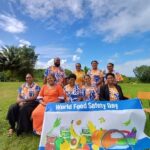
Northern Division Commemorates World Food Safety Day 2026
September 6, 2026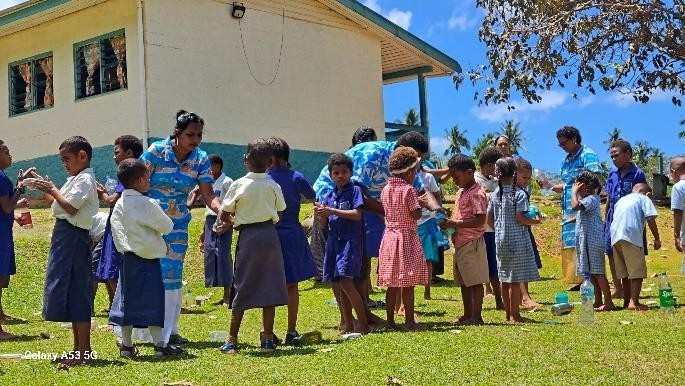
Strengthening Water, Sanitation and Hygiene Services Across Cakaudrove
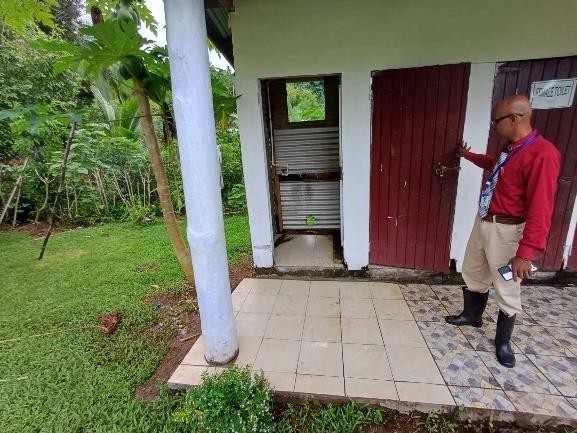
The Ministry of Health, through the Cakaudrove Sub-Division Environmental Health Team, continues to strengthen access to safe water, sanitation and hygiene (WaSH)services for communities and schools across Cakaudrove, including Rabi Island.
During the 2024–2025 WaSH monitoring period, 20 WaSH projects and programmes were supported through funding from Northern Health Services and the National WaSH Environmental Health Unit, with a combined reported investment of $73,964.37. The initiatives included improvements to water sources, storage facilities, distribution systems, sanitation facilities and handwashing infrastructure.
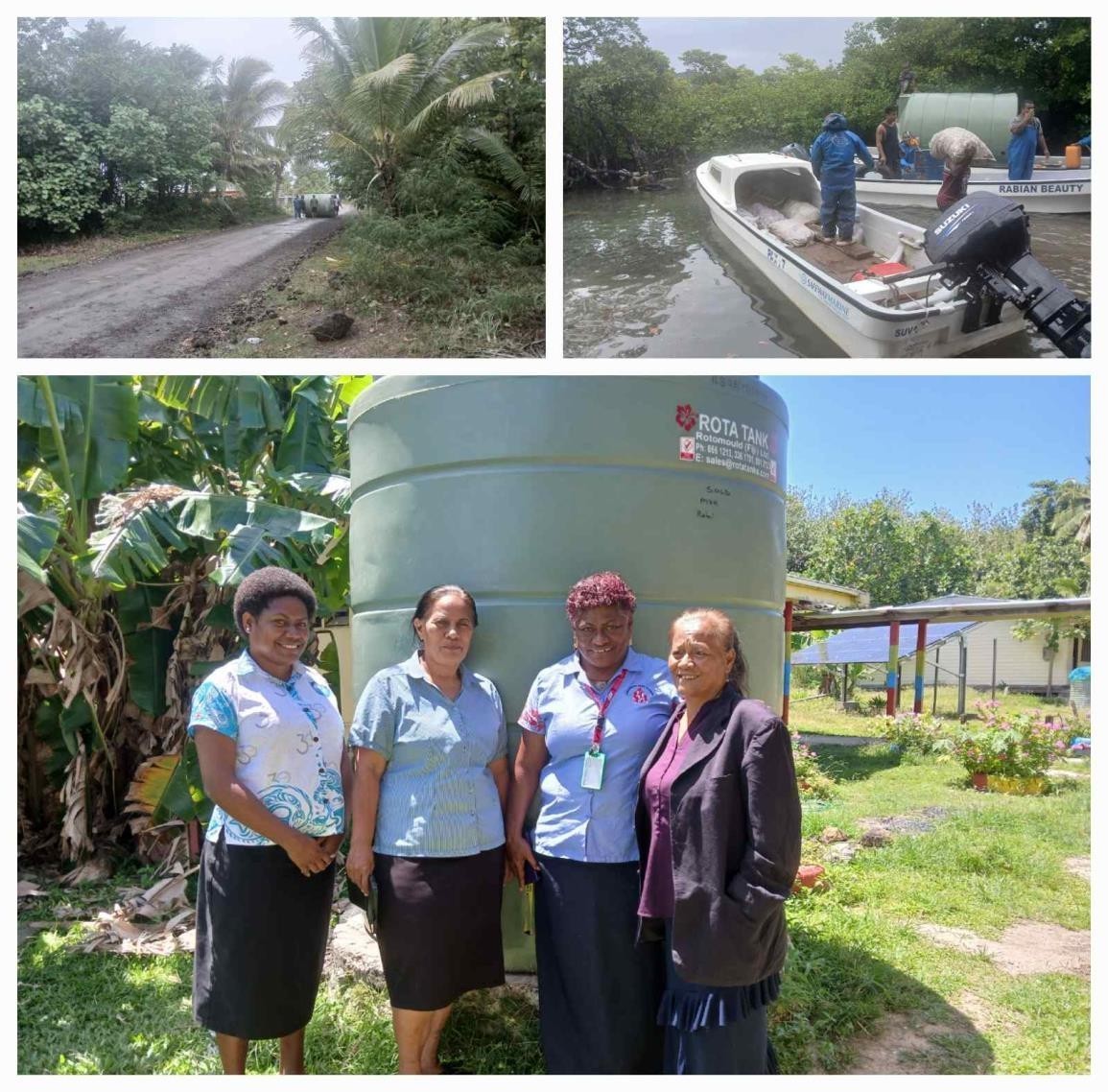
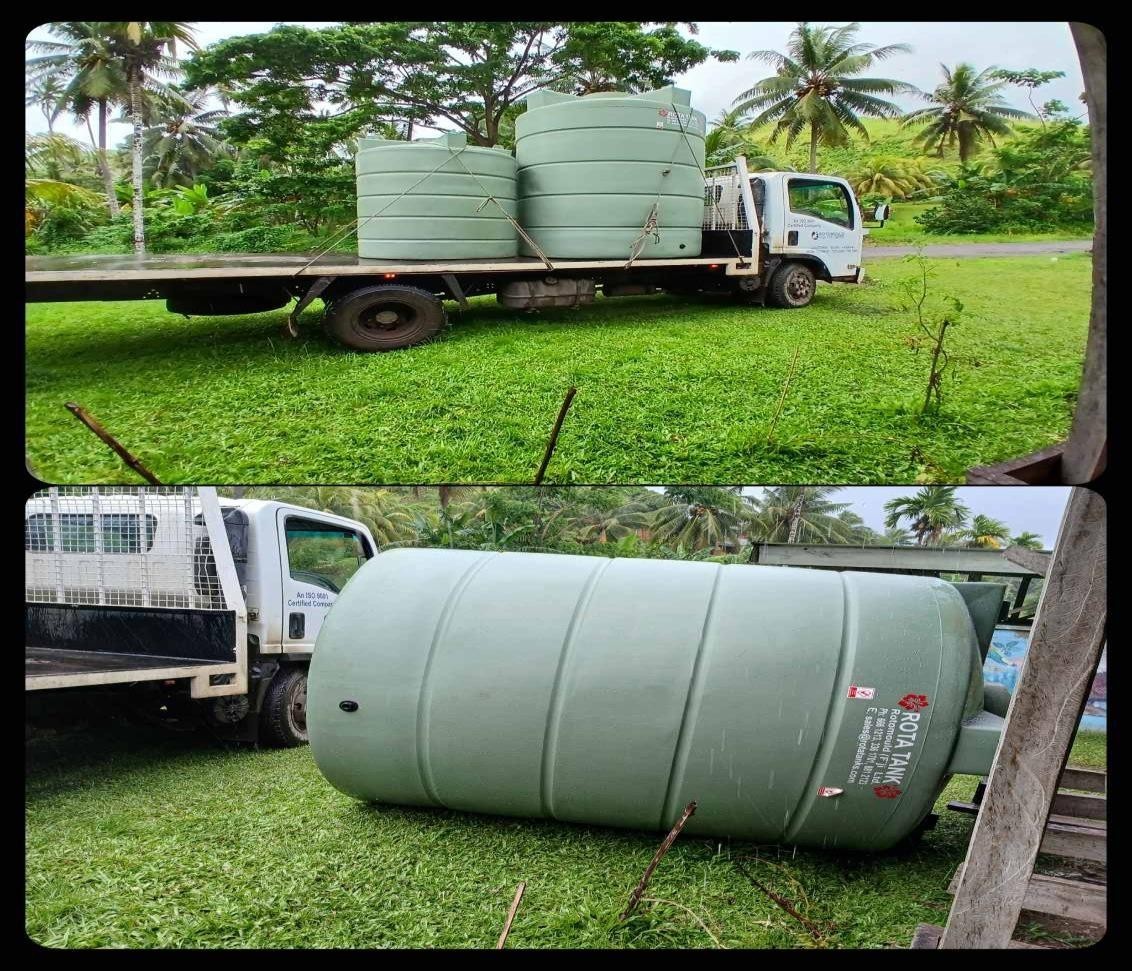
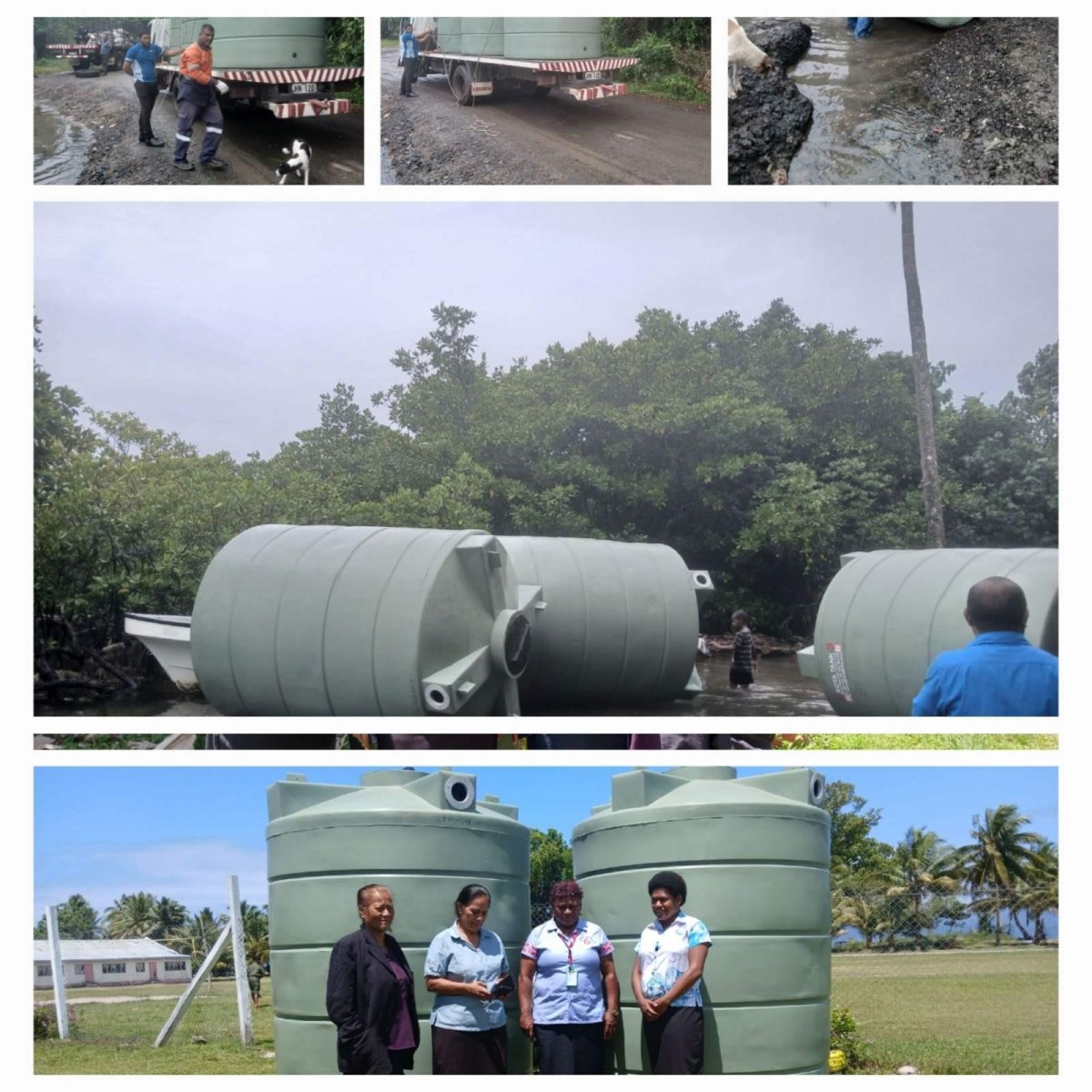
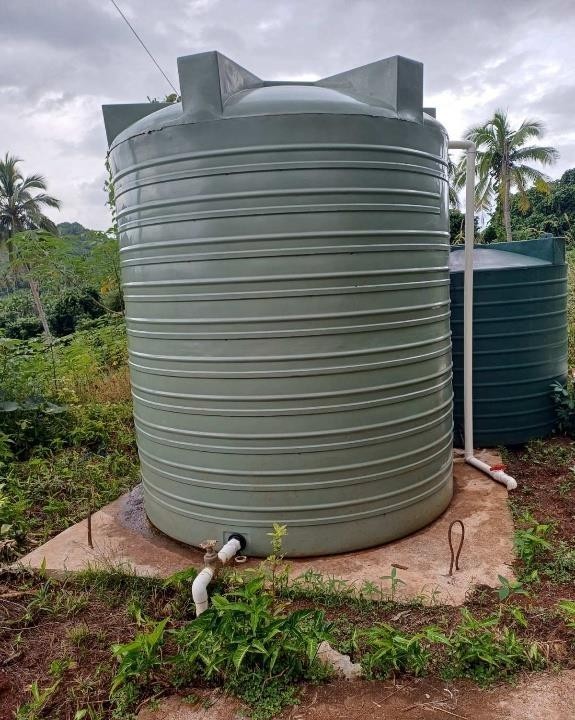
Significant improvements have already been completed in several communities and schools. These include the installation of a 10,300-litre water tank at Batibalavu District School, a 10,000-litre replacement tank at Waisere Settlement, and upgrades to water supply infrastructure in Dromuninuku and other communities.
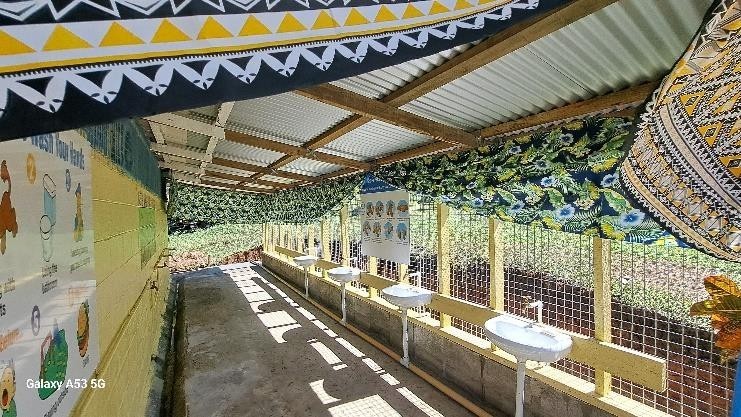
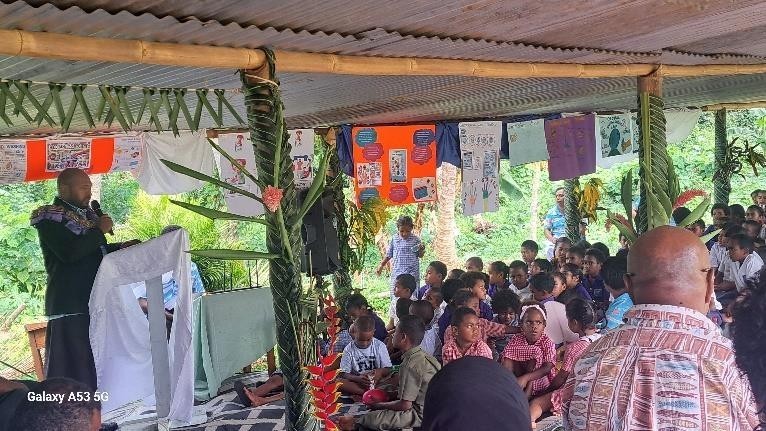
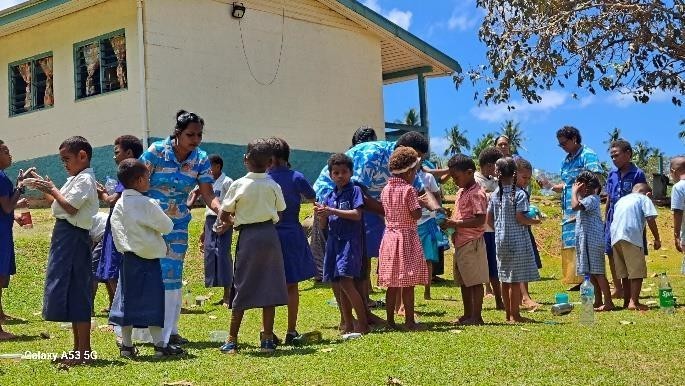
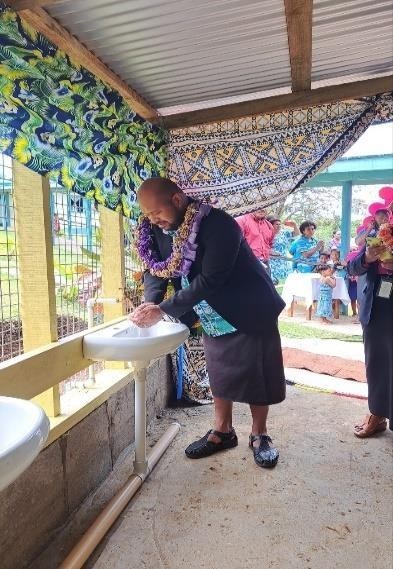
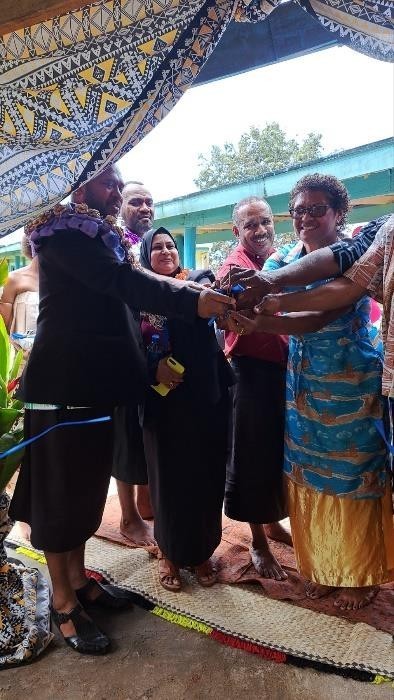
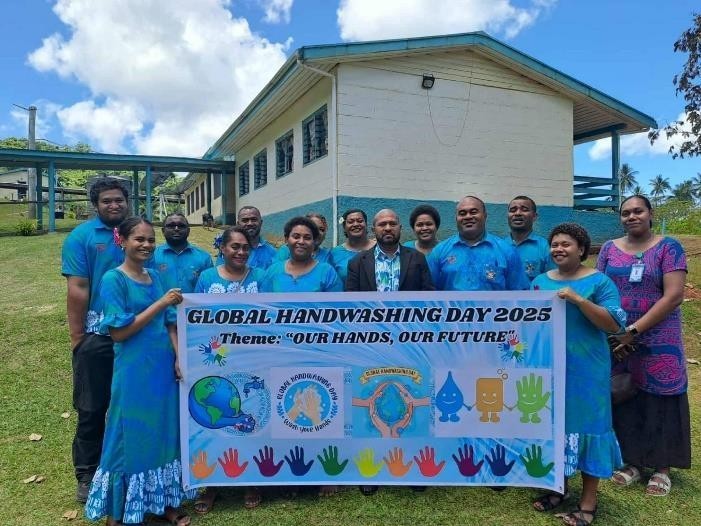
At Nakobo District School, four new functional handwashing stations were installed, the handwashing area was extended, and the kindergarten water supply was successfully connected to the main water system. The improvements were officially commissioned during the Global Handwashing Day 2025 programme, which also included health awareness activities involving students, teachers, parents, community leaders and other stakeholders.
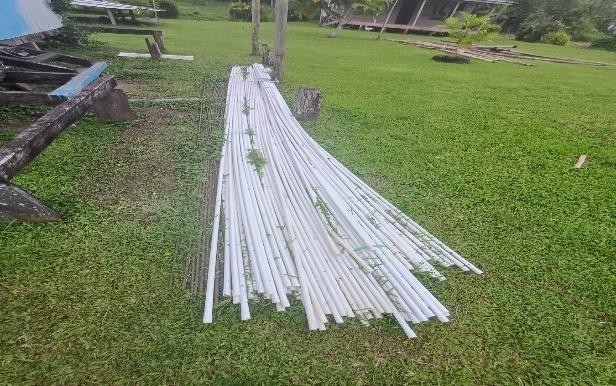
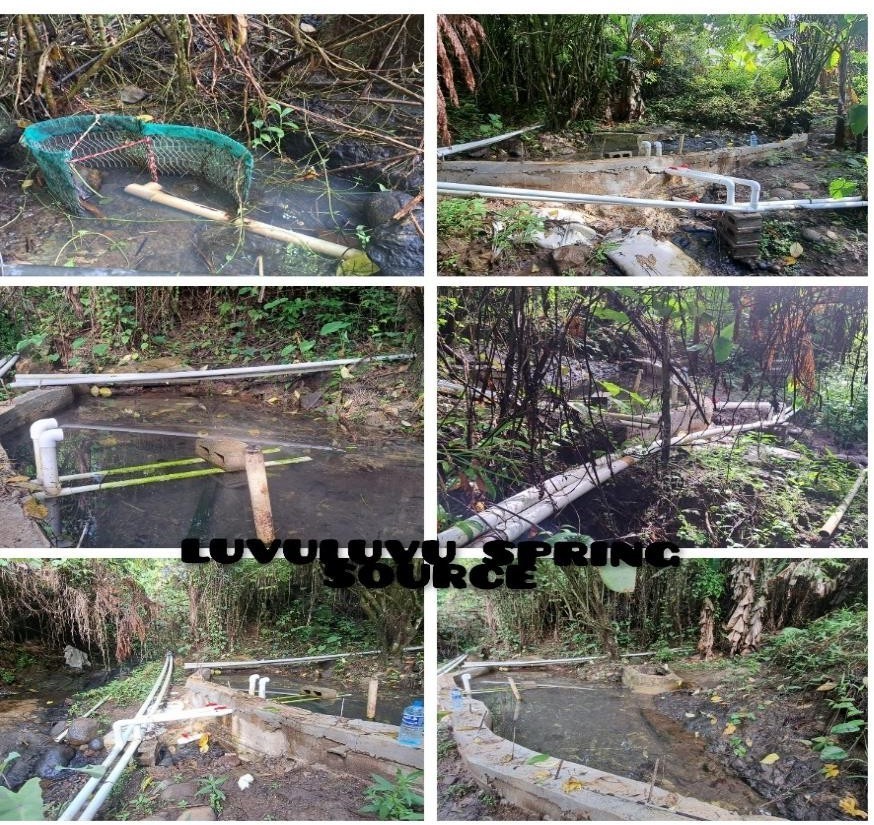
The programme also supported water system improvements in communities including Nakuku, Sese, Nayala, Lolobuta, Mataikoro, Vusaratu and Vunidamoli, as well as schools and communities on Rabi Island. Several projects involved the provision of additional water storage capacity, protection of water sources and repairs or replacement of distribution pipes.
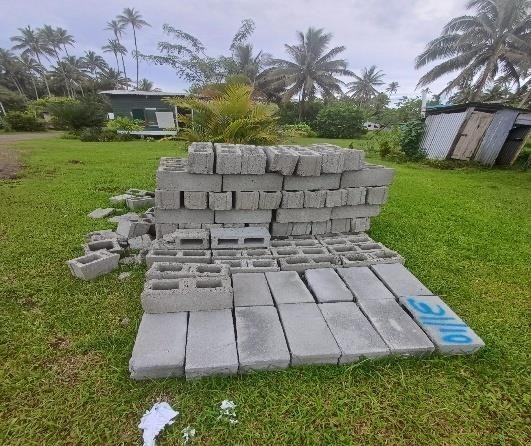
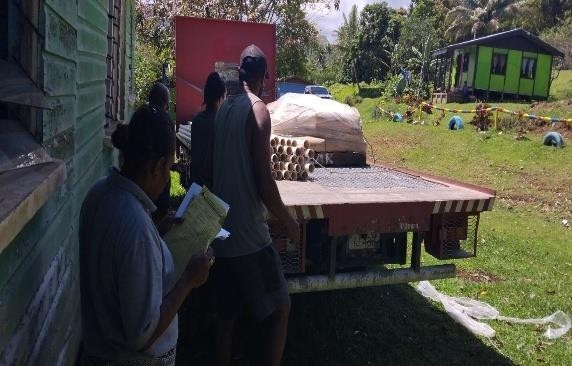
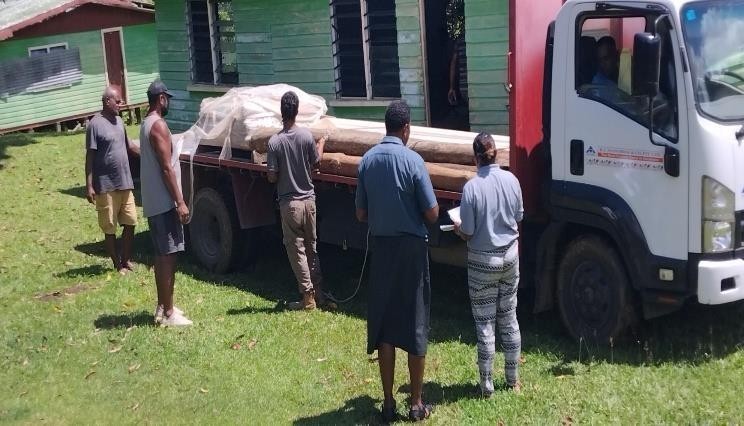
The monitoring reports highlight the importance of community participation, technical support and timely delivery of materials. Challenges included delays in material delivery, difficulties in developing and verifying material lists, availability of hardware supplies, transport constraints and competing community priorities. At the same time, projects where materials were delivered promptly demonstrated stronger community interest and participation.
The Cakaudrove Environmental Health Team will continue to work with communities, schools, traditional leaders, government agencies and other partners to improve WaSH infrastructure and promote healthy hygiene practices.
Safe water, adequate sanitation and proper handwashing remain essential to protecting communities from preventable diseases and improving the health and wellbeing of the people of Cakaudrove.