ACKNOWLEDGEMENTS
We would like to express our sincere gratitude to the Ministry of Health (Environmental Health Unit) and the Fiji Institute of Environmental Health for selecting our team to attend the 17th IFEH World Congress in Perth. We are deeply honoured by this opportunity to contribute and participate in the global dialogue on environmental health and exchange insights with experts from around the world.
Additionally, we would also like to extend our heartfelt appreciation to the World Health Organization (WHO) and the Department of Foreign Affairs and Trade (DFAT) for their generous financial support. Their assistance in covering the costs of accommodation and per diem for the trip has made it possible for our team to participate in this important event.
The team has been committed to representing Fiji and leveraging the knowledge gained from the congress to improve environmental health initiatives in the community and workplace.
Once again, thank you for your support towards the Officers in the 17th International Federation of Environmental Health World Congress that was held in Perth, Western Australia
Introduction
The 17th IFEH World Congress was held in Perth on the 20th – 24th of May 2024 hosted by the International Federation of Environmental Health & Environmental Health Australia. The congress provided a platform for Environmental Health practitioners to share knowledge on the most recent techniques, developments, innovations and the latest updates in Environmental Health. Alongside the theme “Environmental Health in the New Era”, topic discussions included (but not limited to):
- Contemporary Environmental Health
- Environmental Health Practice
- Environmental Systems including water and Air
- Food
- Indigenous and Remote Environmental Health
- Public Health
- Climate Change and Climate Risk Mitigation
- Pathogens and Communicable Disease Control
- Tobacco, E-cigarettes and vaping Control.
- Risk Assessment/ Hazard Management
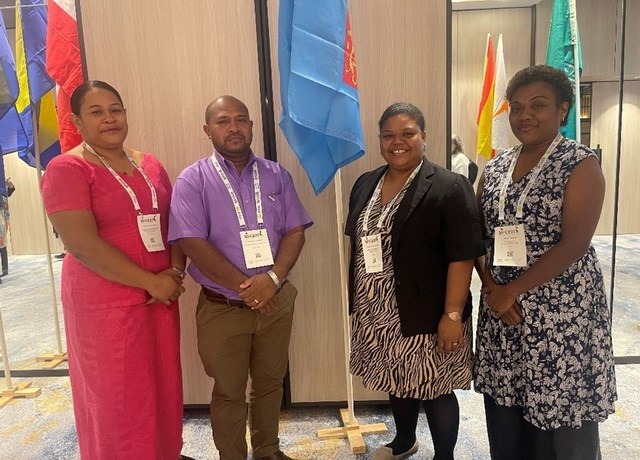
Please find below a brief report summarizing the key messages, lessons learned, and recommendations derived from attending the 17th International Federation of Environmental Health (IFEH) Congress. This congress, attended by nearly 700 environmental health officers & health officials from about 27 countries, provided a platform for insightful discussions, engaging seminars, and valuable networking opportunities. The representatives from the Fiji Institute of Environmental Health included:
- Mr Vakaruru Cavuilati – Divisional Health Inspector, Northern
- Mrs Taina Waqaliva – Senior Health Inspector, Food Unit
- Mrs Lusiana Biumaiwai – Senior Health Inspector, Development Control, Pollution and Climate Change
Mrs Joneti Nadegi – Snr Asst Health Inspector, Nausori Health Office
Key Insights from Panel Discussions, Posters, and Seminars
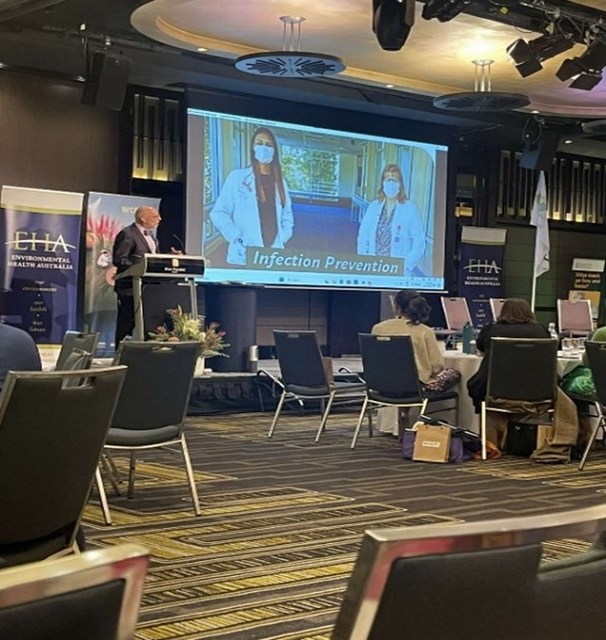
The program for each the day was divided into two (2) sessions with the first session being plenary sessions or assembly where all members were present and invited speakers presenting on topics ranging from environmental and climate change impacts on human health to Western Australia Government response to threats from tobacco/vaping and WHO public health and emergency preparedness workforce roadmap.
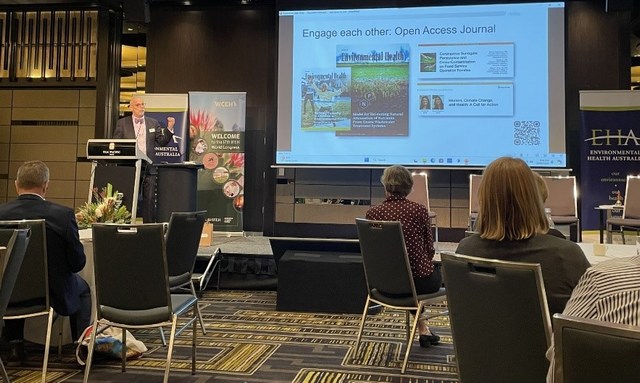
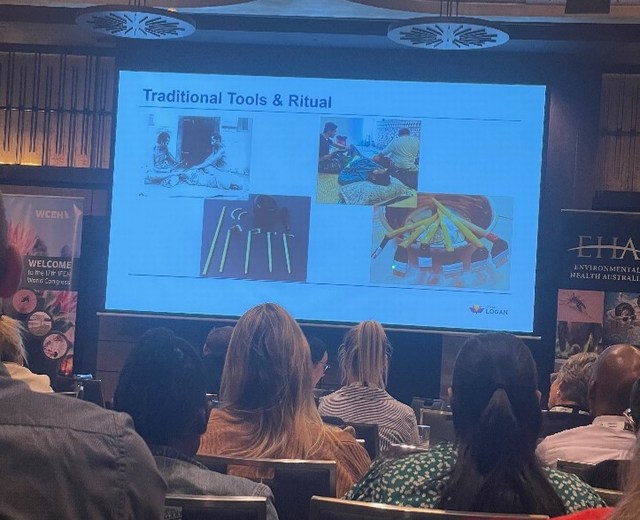
The second session was divided into key groups or breakout sessions where seminars and presentations took place covering topics from Wastewater Management, Emergency Management, Food Topics, Communicable Disease, Climate Change, Vaping/ Tobacco Management and Environmental Health Practice. In brief, the sessions were on case studies, case scenarios being shared by EHO’s on the different issues faced in their different councils, sharing experiences and lessons learned. Speakers unpacked issues related to academic enrolments, local politics, and the dynamic conditions associated with climate change. Implications and solutions related to retails food safety, disaster readiness, wildfires and health homes dominated the agenda.
Furthermore, there was also a presentation on the future of the Environmental Health profession. Discussion around issues being faced by the Environmental Health profession included ageing workforce, increase workload, cost revenue, disaster planning, increased population, and the need to introduce new technology, that is, ipads or phones using digital system
LESSONS LEARNED:
Key notes/lessons learnt from the breakout sessions included:
The congress highlighted the evolving nature of environmental health challenges globally, including issues such as climate change impacts, food safety, vector-borne diseases, and the rise of antimicrobial resistance. Insights gained from panel discussions emphasized the need for proactive measures and collaborative efforts to address these challenges effectively.
Several presentations and poster sessions showcased innovative technologies and approaches in environmental health management. From smart monitoring systems to community-driven initiatives, these solutions underscored the importance of having technological advancements and fostering interdisciplinary collaborations in promoting public health and sustainability.
Discussions centred around the role of robust policy frameworks and effective regulatory mechanisms in safeguarding public health and environmental integrity. Insights collected from various sessions emphasized the importance of evidence-based policymaking, stakeholder engagement, and capacity building to ensure the successful implementation and enforcement of environmental health regulations, policies and programs.
A repeated theme throughout the congress was the significance of community engagement and empowerment in promoting positive health outcomes and sustainable development. Case studies and best practices shared during sessions highlighted the transformative impact of grassroots initiatives, participatory approaches, and social mobilization strategies in addressing local environmental health challenges. A sentiment shared by Dr Mara West of Telethon Kids Institute in one of her plenary sessions on “Environmental and climate change impacts on human health – Time for Action” is that combining scientific knowledge and mainstream knowledge is “MAGIC”.
Attending the congress provided an invaluable opportunity to network with fellow environmental health officers, professionals, and experts from diverse backgrounds and countries. Engaging in discussions, exchanging ideas, and forging meaningful connections facilitated knowledge sharing, collaboration, and potential partnerships for future initiatives and projects.
a. Plan and prepare for disaster
b. Understand the extent of the problem
c. Establish communication with external key response agencies and the internal response components of the organization
d. Develop up to date clear and simple information for community, response agencies, media and management and in the language they understand
e. Always be prepared for the long haul and unexpected issues.
a. Always look at the impact of EH work on the health of individuals and communities in terms of response – look at public health overall rather than just the treatment of individuals.
b. Through our EH roles, we are also able to demonstrate, educate and advocate the EH profession.
c. Promote the importance of health housing and what impacts health hardware can have on individuals
d. Develop working relationships with other areas of health sector and community members.
a. Resource capacity and commitment is essential
b. Community members support smoke free environment is important
c. Education first approach
d. Remind the team that behaviour change takes time
e. Strengthen focus of e-cigarettes
f. Strenthen community empowerment
g. Silos Impacts Success
RECOMMENDATIONS
Advocate for the implementation of capacity building programs and training workshops aimed at enhancing the skills and expertise of environmental health professionals in Fiji. This could include specialized training in areas such as risk assessment, environmental monitoring, and emergency preparedness.
Advocate for the development and implementation of evidence-based policies and regulatory frameworks to address emerging environmental health challenges in Fiji. Collaborate with relevant stakeholders, government agencies, and community partners to prioritize environmental health issues and enact effective legislation.
Strengthen community outreach and education efforts to raise awareness about environmental health issues and empower local communities to take proactive measures. This could involve conducting public awareness campaigns, educational workshops, and community-based initiatives focused on promoting sustainable practices and behaviour change.
Encourage investment in research and innovation to explore novel solutions and technologies for addressing environmental health concerns in Fiji. Support interdisciplinary research collaborations, knowledge exchange programs, and partnerships with academic institutions and research organizations to advance scientific understanding and develop context-specific interventions. During EH symposiums, officers can share experiences on similar topics or any projects that have been successfully implemented in their respective subdivisions. Poster papers to be displayed on science projects during the Fiji EH symposium.
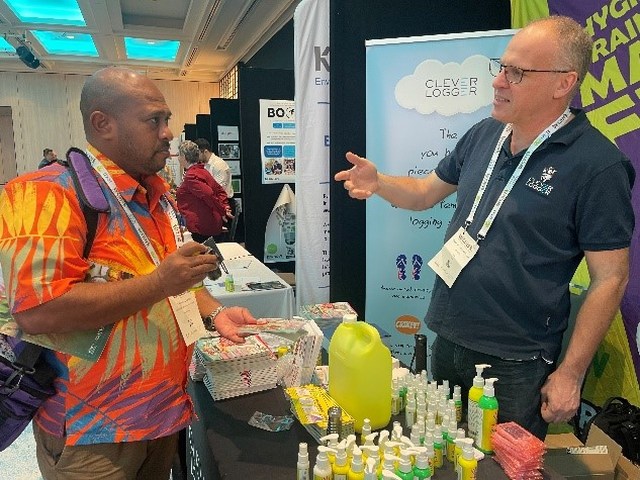
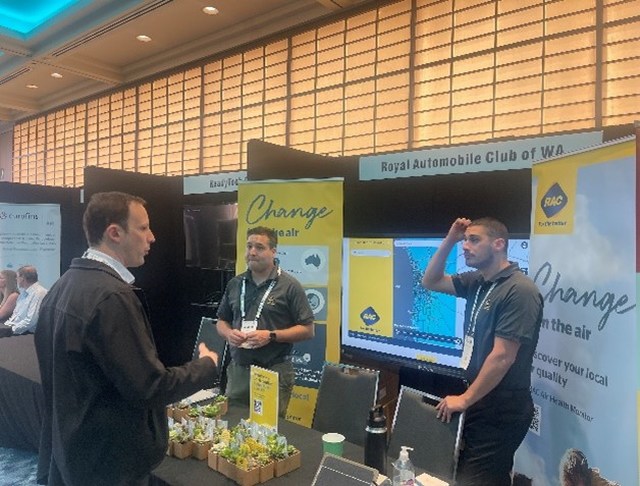
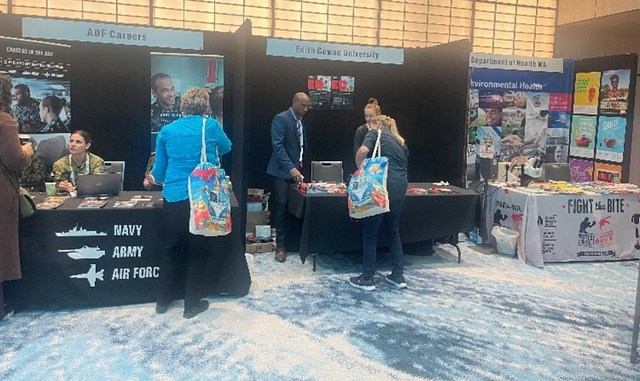
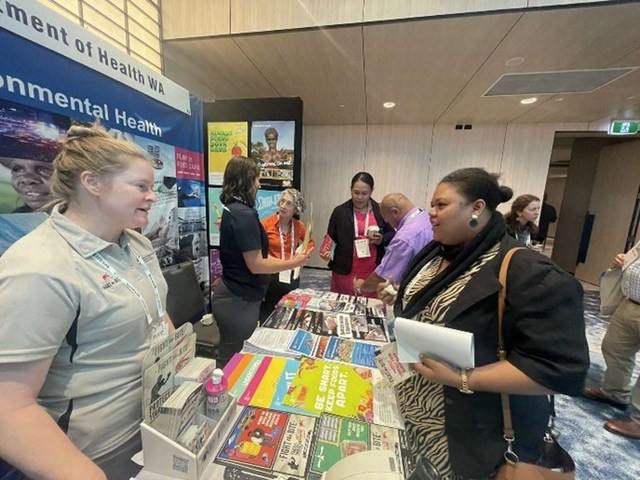
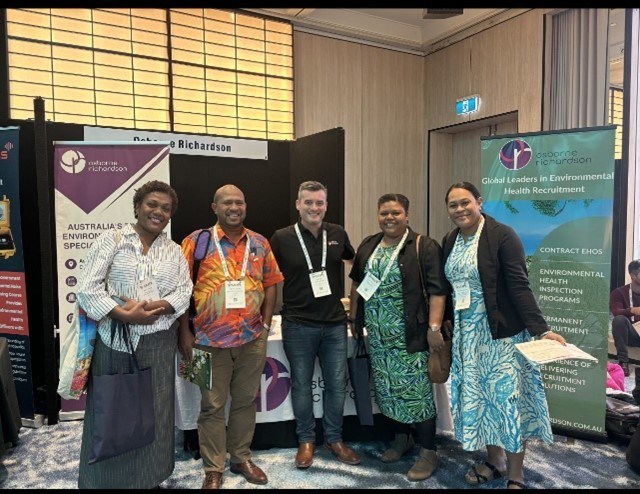
Information Booths set up at the venue during the IFEH Congress
CONCLUSION
In conclusion, the 17th IFEH Congress provided a platform for valuable insights, knowledge sharing, and networking opportunities that can inform and inspire our efforts to promote environmental health in Fiji. By leveraging the lessons learned and recommendations outlined in this report, we can work towards building a healthier, more sustainable future for our communities.